 Igbayilola
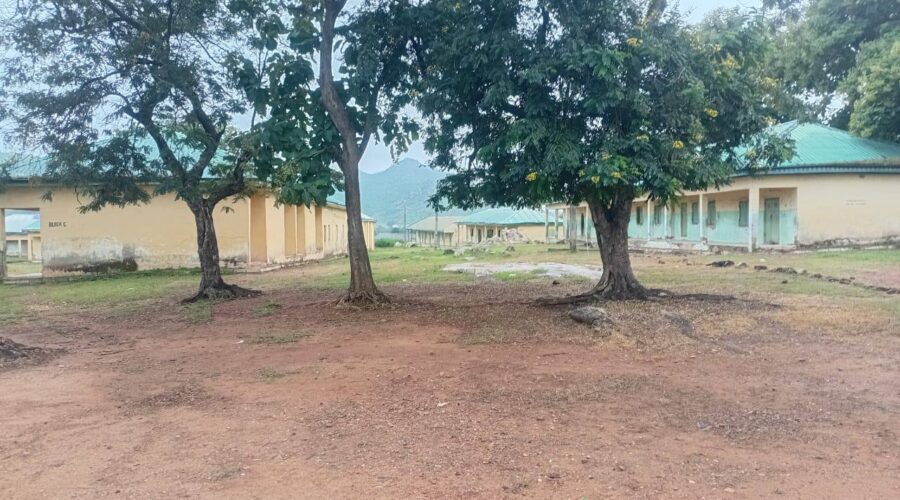
Public school teachers in the Federal Capital Territory are on strike today.
Three teachers in different public schools in the FCT whom I spoke to this morning confirmed that their schools were not open.
The Nigeria Union of Teachers directed primary and secondary school teachers to begin an indefinite strike starting today, 7 October. According to the union’s notice, the strike is over issues including:
• The “vacancy” requirement for promotion
• The 2025 promotion examination for eligible teachers
• The recent redeployment and demotion of school directors
Two days ago, we celebrated World Teachers’ Day. Today, many FCT children in public schools are at home.
To be clear, teachers have grievances, and they deserve to be heard. Teachers contribute immensely to the lives of their students, and their welfare should matter to the people responsible for our education system. Government also has rules, budgets, and responsibilities, and it has the right to explain and defend its position.
Each party can have a legitimate argument, and the child can still be the one who bears the cost.
The question is not only whether the dispute is eventually resolved. It is what happens to the education a child loses while the strike lingers.
A History of Disruption
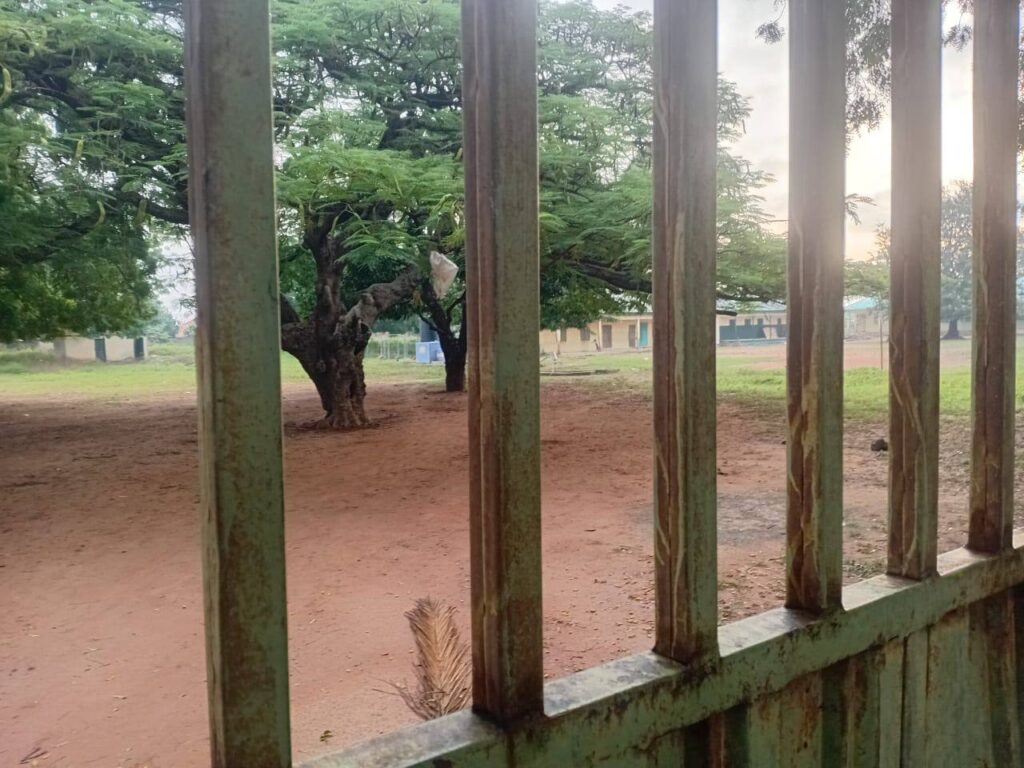
And we have been here before.
In 2025, primary school teachers in the FCT were on strike for more than three months, from 24 March to 9 July. As reported by Premium Times, there was another strike in April this year which lasted seven days and ended after commitments from FCT Minister Nyesom Wike.
So this is not only about today. It is about what repeated disruption means for children in a school system that is supposed to keep them learning.
“When two elephants fight, the grass suffers.”
But here, there are more than two elephants:
• The Teachers’ Union: Accountable to its members.
• The Six Area Councils: Employing primary school teachers and accountable to their budgets.
• The FCT Administration: Overseeing the wider FCT education system and accountable to its policies.
The child is not a party to any of those negotiations. The child only experiences the result: another day out of school.
The Hidden Costs of Lost Time
Ending the dispute is not the same thing as restoring what a child lost while it was going on.
The effects of lost school time do not suddenly disappear when teachers return to the classroom. Classes may have to be rushed. Some things may be skipped. Teachers may have to squeeze several weeks of work into a much shorter period. Children who were already struggling may have an even harder time keeping up.
And there is another inequality we should not ignore.
Children in private schools may continue learning while their public school peers are at home. For some families, a school closure means a child stays home until the dispute is resolved. For others, education goes on because they have another option.
The Impact on Girls and the Data Gap
This matters particularly for girls.
We tell girls to stay in school. We campaign against child marriage and the other pressures that can pull girls out of the classroom. But keeping a girl in school requires more than telling her that education matters. It requires a PREDICTABLE school calendar.
A prolonged disruption does not automatically mean that a girl will drop out. But for a girl already facing pressure because of finances, responsibilities at home, or expectations that she should leave school, an extended closure is another opening for someone to say, “Maybe she can just stay at home.”
I cannot give you FCT figures on how many girls never return after a strike. I wish I could, but I have not seen anyone counting. That gap in the data is itself worth asking about.
Who Answers for the Child?
If public school disruptions happen repeatedly, who is tracking their effect on attendance, learning, and dropout? Who is asking what happens to the weeks of learning that cannot fully be recovered because the calendar has moved on?
These are not questions that should only arise after the next strike.
Because if nobody is responsible for the learning children lose during these disputes, then we are building a system in which everyone can defend their position and nobody answers for the child’s loss.
The child should not have to be a party to the dispute before the system takes that loss seriously.
When elephants fight, the grass suffers. And this grass has names, faces, and futures. Among them are girls we keep asking to stay in school.
