 Igbayilola
Growing up in Northern Nigeria, we sang a song in Hausa about how sweet marriage was. The song goes, “Aure yana da daɗi.” 🎶
And marriage can indeed be sweet. There is nothing wrong with wanting to get married or looking forward to building a family. But why should childhood be organised around preparing girls for marriage?
Girls should be prepared for life. Marriage may be part of that life, but it should not be the only future they are encouraged to imagine.
I thought about this again while reflecting on this year’s International Day of the Girl Child, whose theme is “End child marriage and invest in girls’ rights!”
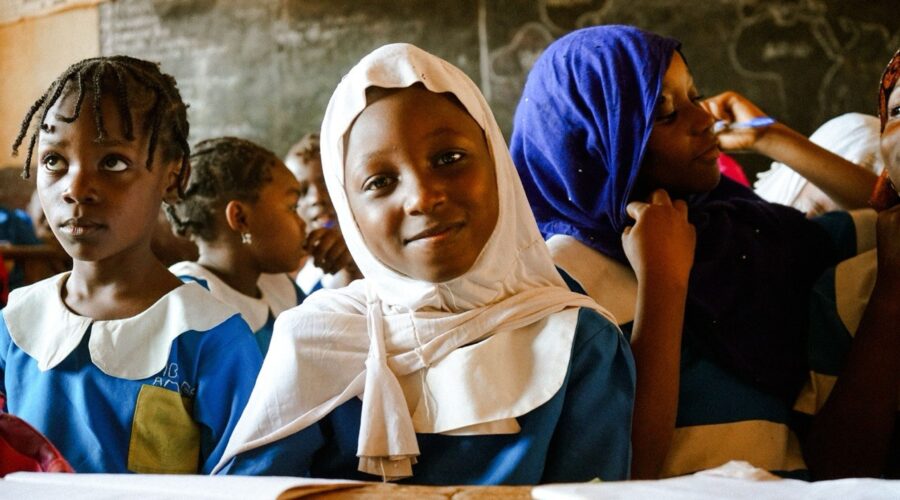
I remember how normal it was to see girls in primary school, some not yet 11, excitedly talking about marriage as though it were one of the most important things waiting for them in adulthood. In my recollection, the girls seemed far more eager discussing marriage than the boys.
What disturbed me was not just that some girls were getting married before 18 years, but that even at such a young age, marriage seemed to occupy such a prominent place in their conversations about the future. I wondered how much room they were given to imagine other possibilities, including making their own money, pursuing their interests and building lives beyond marriage.
This is not to suggest that girls who look forward to marriage have done anything wrong. My concern is whether they are being given the same encouragement to imagine futures in which marriage is a choice rather than the destination around which everything else is organised.
Beyond Legislation: The Social Reality of Early Marriage
Nigeria’s Child Rights Act of 2003 prohibits marriage involving a person under 18. However, the Act’s application and implementation have not been uniform across the country.
Laws matter because they establish protections and provide a basis for holding people accountable. But having a law does not automatically change the beliefs, expectations and economic circumstances that influence decisions within families and communities.
What do parents believe a girl needs to become a successful woman?
At what age do families consider her ready for marriage?
What happens when a family facing financial difficulties sees marriage as a solution?
And what roles do relatives, community leaders and religious authorities play in shaping these decisions?
These questions matter because child marriage does not happen in isolation. The expectations surrounding girls, the options available to them and the circumstances in which their families make decisions can all influence whether they marry before adulthood.
Legislation is necessary, but addressing child marriage also requires us to understand the social and economic conditions that allow it to persist.
Reaching Girls Like Hauwa
According to UNICEF data on child marriage, approximately 650 million women and girls alive today were married before their 18th birthday. In Nigeria, 33.4% of young women aged 20 to 24 had married before turning 18. In the North East and North West, the figure was close to 50%, according to UNICEF’s December 2025 publication, which draws on the 2024 Nigeria Demographic and Health Survey (NDHS).
These figures show the scale of the problem. They also raise questions about whether existing efforts are reaching the girls most at risk and the people making decisions about their lives.
Across Nigeria, organisations and individuals work to address child marriage through advocacy, community engagement, education and other interventions. Social media also provides a way to raise awareness and mobilise support. But awareness does not necessarily reach everyone, and receiving information does not guarantee that people will accept it or act on it.
When I think about the girls at the centre of these conversations, I think of Hauwa. That is not her real name.
Hauwa got married before 14 years, shortly after completing primary school, to an older man to whom she had been betrothed while she was still in school. I remember how excited she was about the marriage.
Would a social media post about the dangers of child marriage have reached her?
Would it have reached the man she was expected to marry or the people who had agreed to the marriage?
And even if it had, how would she have received the message?
I cannot say what Hauwa understood about marriage at the time or how much say she had in the decision. Her excitement does not establish that she freely chose the marriage or fully understood its implications. But it does make me wonder what marriage had come to represent to her, and how the expectations surrounding girls shape what they look forward to.
A campaign warning girls about the dangers of child marriage may have little effect if it does not reach them in a way they understand. Even when the message reaches them, it may not change their expectations. And when a girl has little influence over decisions made by the adults around her, knowing the risks may not be enough to alter what happens.
There is also the question of what happens when families understand the risks but feel constrained by their circumstances.
Imagine a 16-year-old girl in a rural village whose parents are preparing to marry her to a wealthy man because the family owes him money. Her parents may see the marriage as a way out of their financial difficulties, while she has little say in the decision.
This is a hypothetical example, but it illustrates a different limitation of awareness campaigns. Even if the family understands the risks of child marriage, that knowledge does not make the debt disappear or provide another way to meet its obligations.
Poverty does not make child marriage inevitable, nor does financial hardship make it acceptable. But if economic pressure is influencing a family’s decision, information alone may not resolve the problem. The family may need a realistic alternative, while the girl needs protection and a meaningful say in decisions affecting her life.
This is why efforts to end child marriage must consider more than whether people have heard the message. They must also consider what girls and families are able to do with the information they receive.
Preparing Girls for Life, Not Just Marriage
My work raising awareness about vesicovaginal fistula (VVF) among schoolchildren aged 10 to 14, alongside efforts to help girls stay in school, has reinforced the importance of reaching girls while they are still young and supporting their continued education.
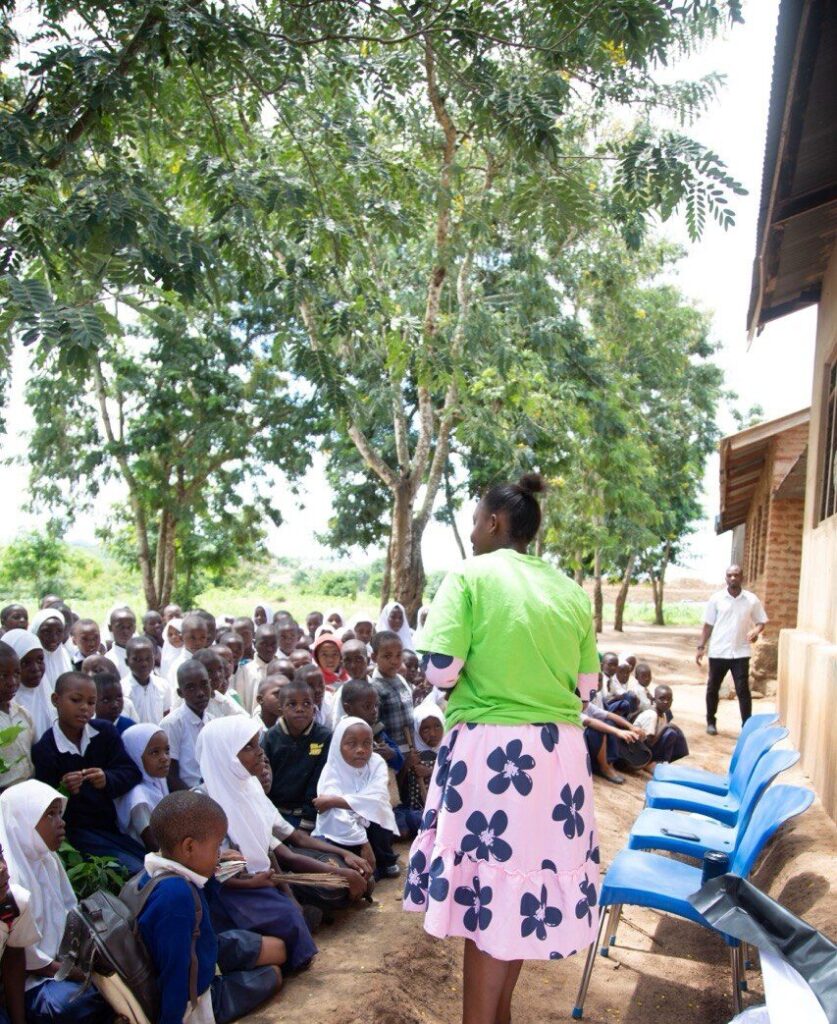
Education is not simply about giving girls something to do before marriage. It can help them develop their abilities and create possibilities beyond the roles they may already be expected to fulfil. Keeping girls in school also needs to be accompanied by efforts to protect their rights and address the pressures that can lead to early marriage.
Ending child marriage requires legal protection, but it also requires us to question the expectations placed on girls, engage the people who influence their lives and address the circumstances that can limit their choices.
Every girl deserves a childhood, an education and the chance to grow up before she is expected to become a wife.
Image Credits
- Featured Header Photo: Photo by Seyhmus Kino on Pexels
In-Article Photo: Photo by Swahili Studios on Pexels