Igbayilola
I grew up thinking everyone knew what Vesicovaginal Fistula (VVF) was. Having lived my entire life in Northern Nigeria before moving to Osun State for my studies at Obafemi Awolowo University (OAU), the reality of VVF was something I had seen and felt through my volunteer work since I was a teenager.
However, not long after resuming at university, I hit a wall of silence.
Whenever I mentioned VVF, many of my peers even those passionately advocating for women’s rights met me with blank stares. I found myself repeatedly explaining a condition that I thought was common knowledge. That was the moment I realized how deep the awareness gap truly is, and why I needed to speak up.
A Tale of Two Nigerias: Shaping My Mission
Moving to Ile-Ife revealed a geographic divide in healthcare awareness that I had never fully considered. Growing up in the North, the impact of VVF was something I saw up close. But in Ile-Ife, I realized that for many people, it’s like the condition doesn’t even exist.
This realization gave me a renewed sense of purpose. My mission isn’t just to advocate; it’s to bridge this gap, ensuring that regardless of where we live in Nigeria, we understand the causes and consequences of this preventable condition.
What Exactly Is Vesicovaginal Fistula (VVF)?
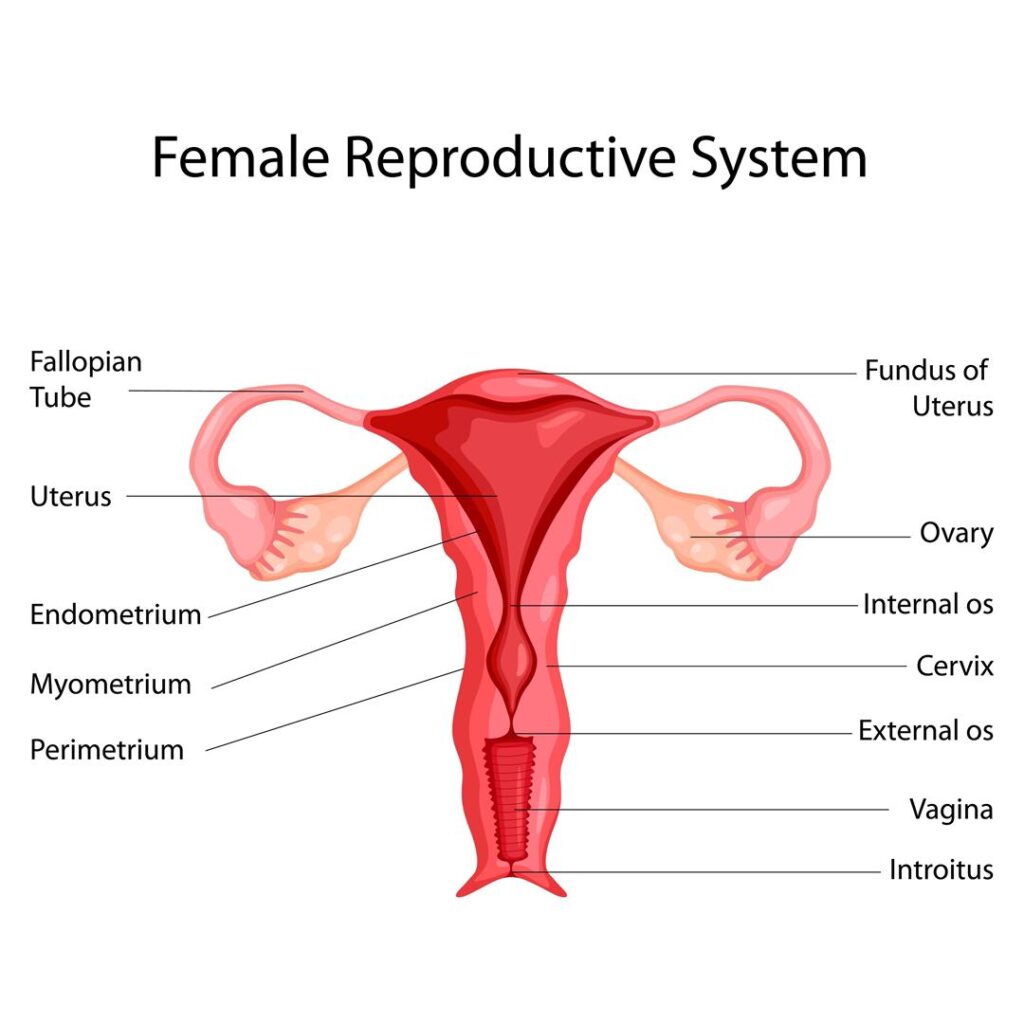
Vesicovaginal Fistula is a devastating childbirth injury. It typically occurs as a result of prolonged or obstructed labor without timely medical intervention
When a laboring mother lacks access to emergency care, the pressure from the baby’s head against the mother’s pelvis cuts off blood supply to the tissues. This creates an abnormal opening (a fistula) between the bladder and the vagina, leading to a continuous, uncontrollable leakage of urine. While surgery can often repair the damage, the physical and psychological scars can last a lifetime.
The Root Causes: Beyond the Medical
In Nigeria, VVF is as much a social issue as it is a medical one. It is often driven by:
• Limited Access to Maternal Healthcare: Many women labor for days without professional help.
• Early or Forced Marriage: Young bodies that are not yet physically ready for childbirth are at much higher risk.
• Poverty and Lack of Education: These factors limit a woman’s ability to make informed reproductive health decisions or afford emergency care.
The Social Death: Life After VVF
The impact of VVF goes far beyond physical health; it is often described as a “social death.” Girls and women affected often experience:
• Social Isolation: Due to the odor and constant leakage, many are abandoned by husbands and family.
• Stigma: They are often excluded from school, religious gatherings, and work.
• Loss of Dignity: The psychological toll of being “unclean” in the eyes of society leads to a deep loss of confidence.
Nigeria has one of the highest prevalences of VVF in the world. For these women, the loss of health is quickly followed by the loss of their future.
Why Awareness is Our Strongest Weapon
Prevention is infinitely more powerful than a cure. By talking about VVF, we can:
1. Encourage Hospital Births: Helping families understand the danger signs of obstructed labor.
2. Delay Early Marriage: Keeping girls in school longer to allow their bodies to mature.
3. Restore Dignity: Reducing the stigma so that survivors can reintegrate into society.
What started as simple conversations for me on OAU campus has become an intentional mission. Every conversation is a step toward a future where no girl has to suffer from a condition that education could have prevented.
Conclusion
Every girl deserves the chance to live with dignity, stay in school, and build a future free from preventable pain. VVF is a tragedy, but it is a tragedy we can end with enough voices.
How You Can Help
If this is the first time you are learning about VVF, you are now part of the solution.
• Share this post to help bridge the awareness gap.
• Start a conversation about maternal health in your own circles.
• Support organizations working on the ground to provide VVF repair surgeries and rehabilitation.
Awareness is the first step toward change. Let’s keep talking.
Photos by Fatima Yusuf and Public Domain Vectors on Unsplash